A New Beginning
Natural springs flow through the land, and willow trees, once absent, now thrive unaided. Scrubland has given way to self-sown trees, creating a tapestry of life that evolves and enriches the landscape.
Rewilding fosters diversity and complexity. The beauty lies in its acceptance of “untidiness,” allowing nature to reclaim its course.
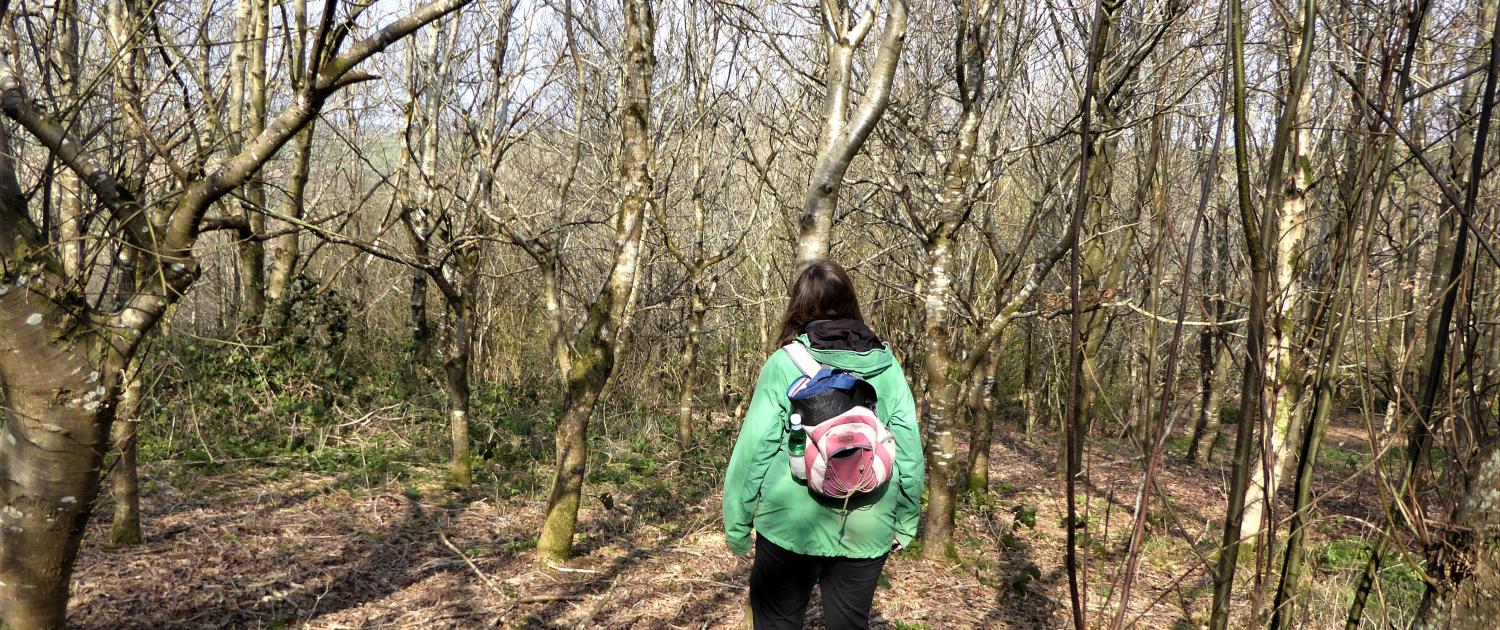
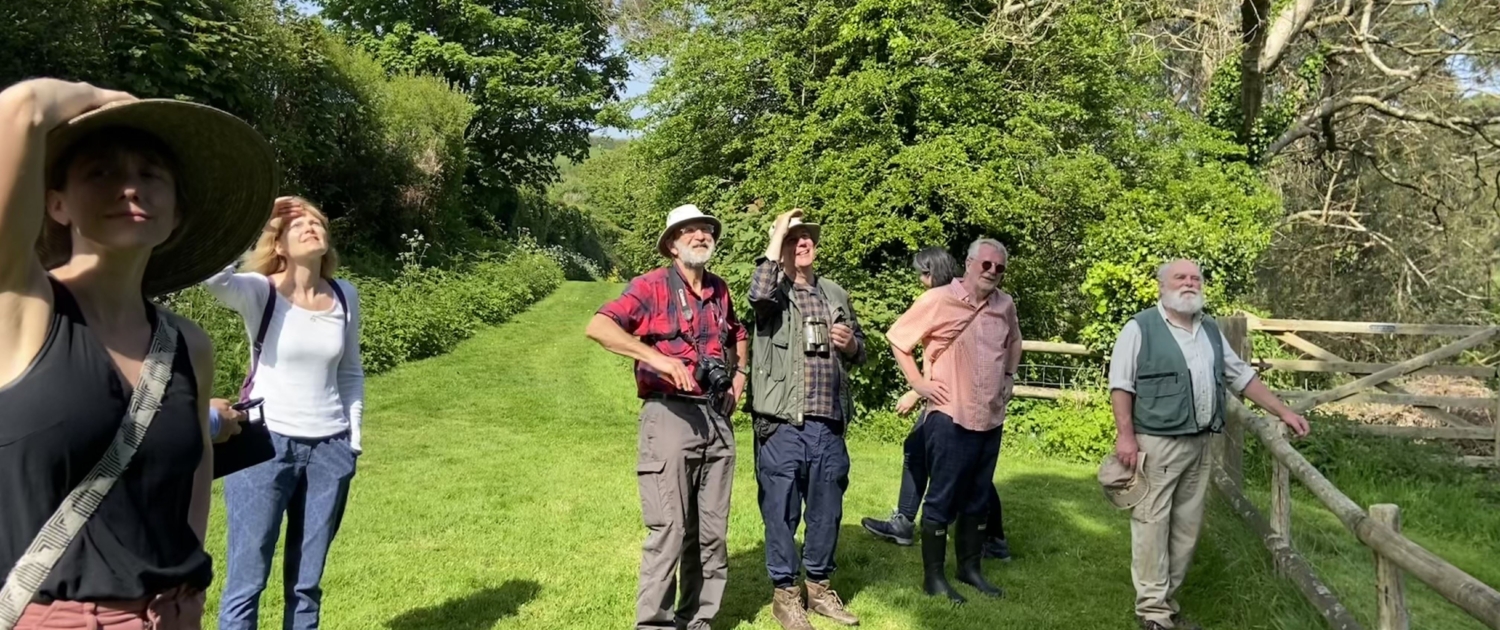
People are an important part of the rewilding process at Dittiscombe with holiday cottage guests encouraged to connect with the nature on their doorstep during their stay. Forest bathing sessions, small-scale rewilding walks, family nature walks, bat walks, and local group tours run throughout the year including events hosted by the Devon Rewilding Network. Find out more here.
The Challenge of Isolation
Dittiscombe is bordered by an industrial sheep farm where trees and hedges are routinely cut, highlighting a stark contrast between the two landscapes. It’s hoped that one day a wilder corridor could replace the isolation, enriching the biodiversity of the Estate further.
Technological Innovations in Rewilding
Modern technology plays a crucial role in the rewilding effort at Dittiscombe. Nofence GIS/Satellite system collars enable the management of livestock without the need for traditional fencing, helping to open the landscape.
In the future, drone photography enhanced with AI, could offer a glimpse into the future of the land at Dittiscombe and beyond. This technology would allow landowners to visualize potential outcomes of nature recovery, and help make informed decisions about future management.
While currently limited to still images, the potential for video simulations is on the horizon with the Devon Rewilding Network recently securing a grant from Rewilding Britain to put this into action along the banks of the River Dart. Read about this project here.
Water Management and Plant Diversity
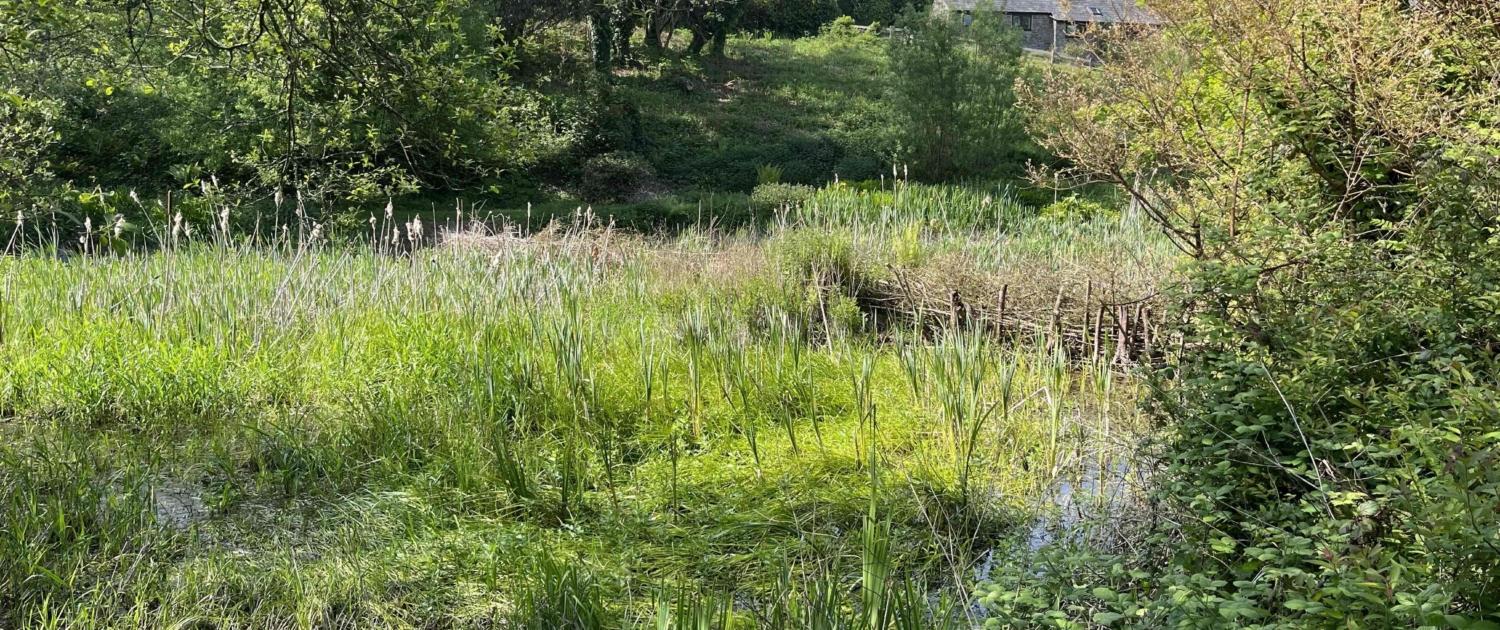
Water retention is a critical component of the rewilding effort at Dittiscombe. Seasonal ponds and volunteer-built natural dams slow water filtration, creating a thriving aquatic ecosystem. The presence of ancient plants like horsetail, with their unique vascular systems, highlights the intricate relationships within this rewilded environment
On one side of the valley, rewilded woodland flourishes and there is evidence that in time this woodland could evolve into a temperate rainforest. The presence of ferns, moss, and lichen could signal such a transformation, marking a significant ecological shift.
Coppicing and Hedgerow Management
At Dittiscombe, a half-acre of hazel woodland is managed through traditional coppicing, which varies in technique and height depending on the desired products from logs and charcoal to hazel hurdles.
Hedgerow management at Dittiscombe employs innovative methods. Instead of straight cuts, hedges are tapered towards trees, creating wildlife corridors. Early results from these practices have been promising, contributing to the overall success of the rewilding project.
Check out this guide on how we can harness the full potential of our hedgerows by allowing them to grow upwards.
Benefits and Best Practices
Rewilding at Dittiscombe brings numerous benefits:
• Water Quality: The site improves the water quality of Slapton Ley downstream.
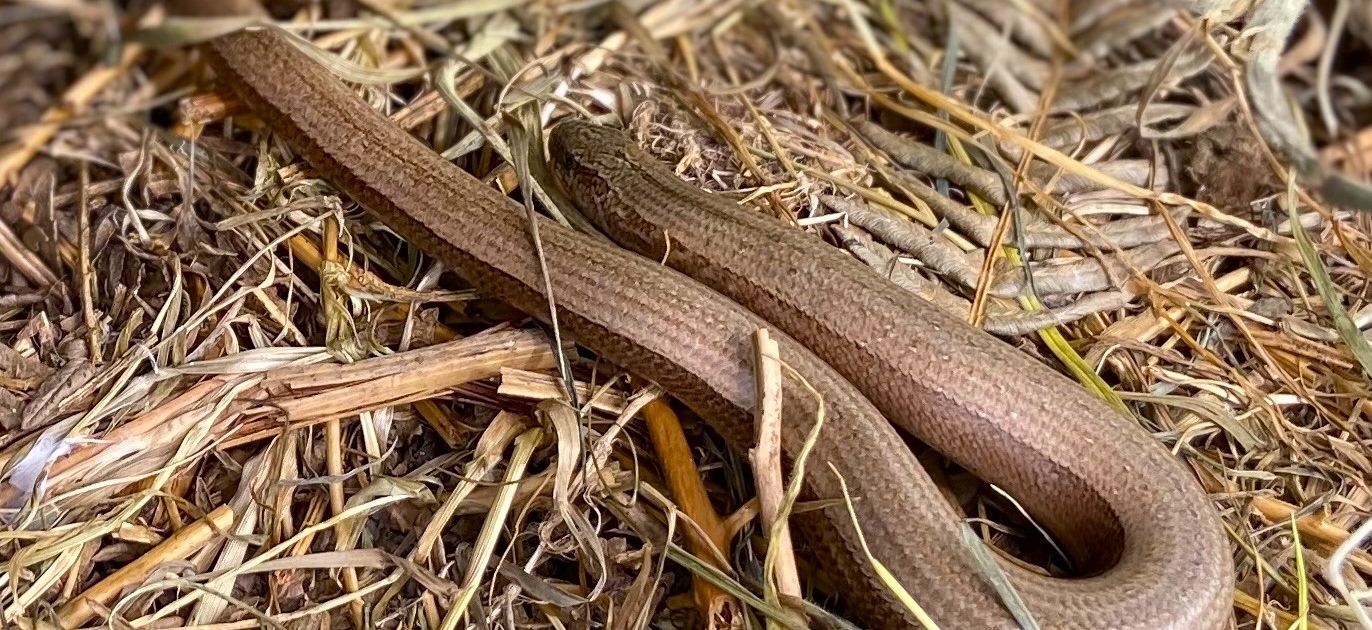
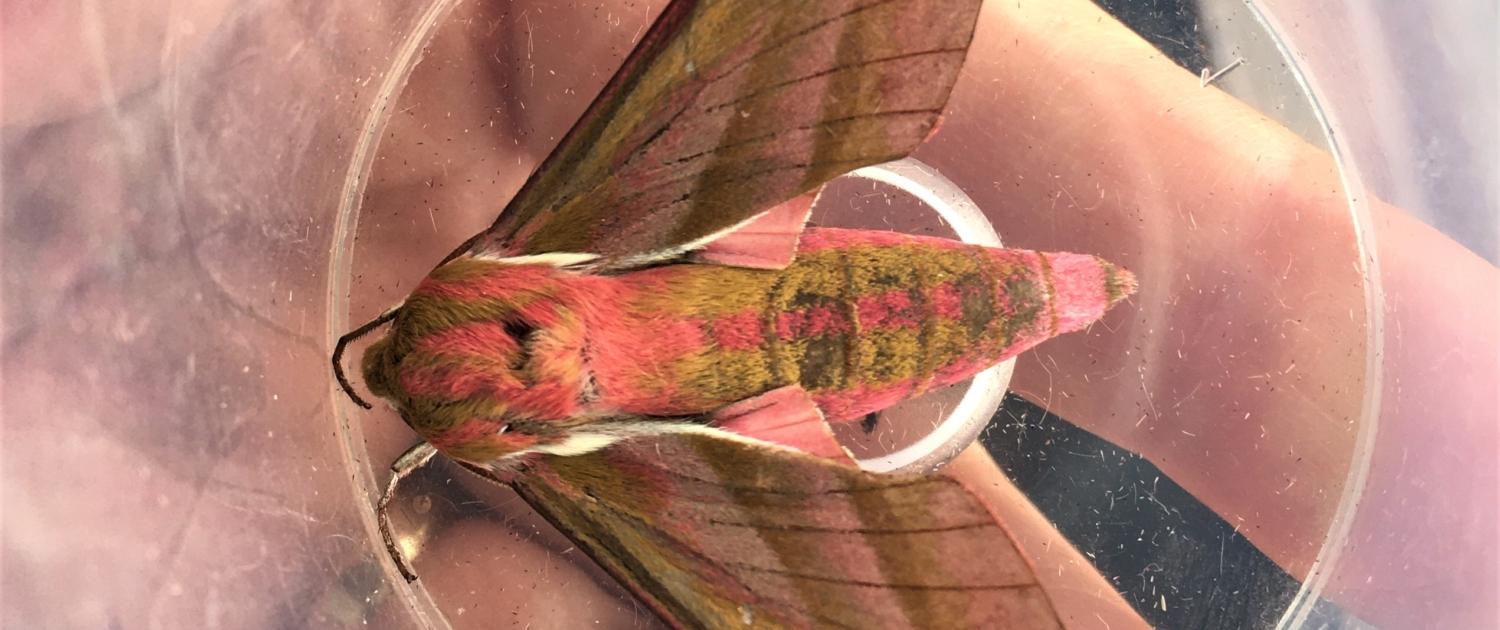
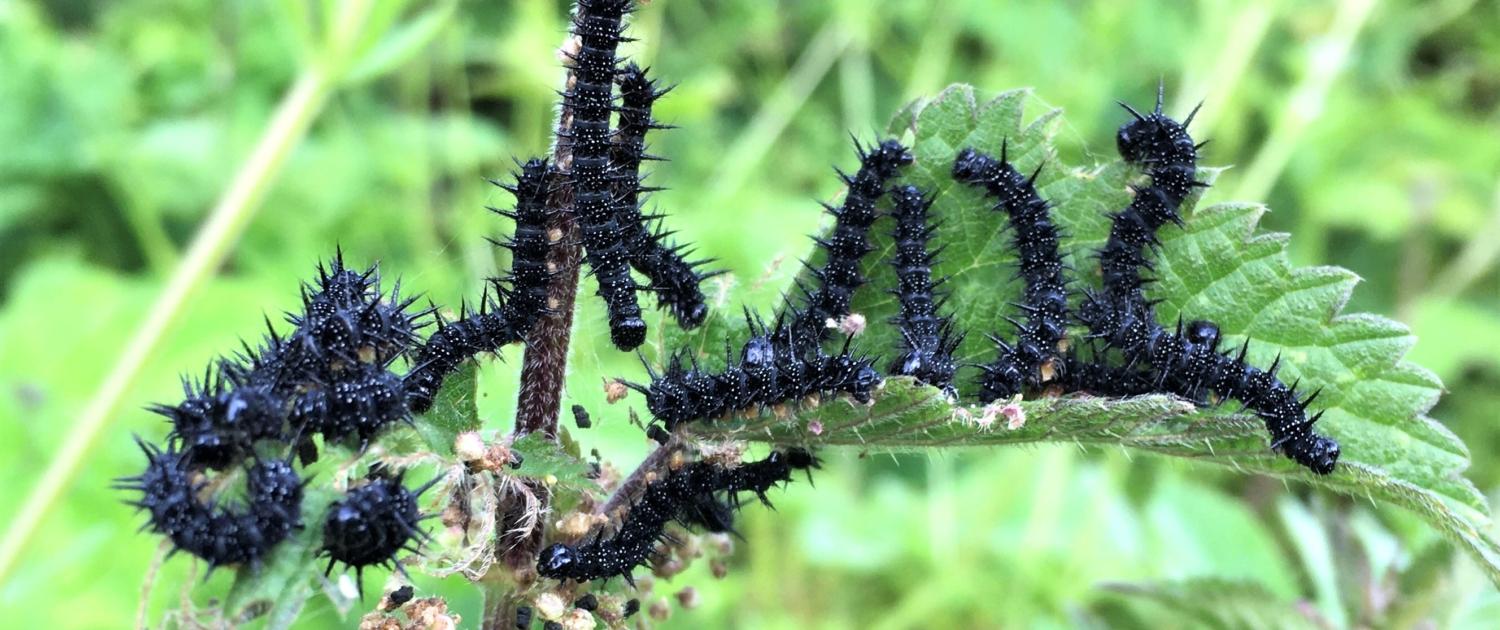
• Wildlife: The area supports bullfinches, diverse butterflies, and moths.
• Soil Health: The soil is of high quality, supporting a robust ecosystem.
• Tree Diversity: A thick canopy of oak, beech, Scots pine, sorbus, holly, and other species creates a dynamic environment.
Understanding where to intervene and where to let nature take its course has been crucial. Planting trees in appropriate locations and introducing new species thoughtfully is critical.
It’s also important to understand the unique and complex relationships between organisms in landscapes. For example veteran trees play a vital role in ecosystems, with dead bark adding nutrients and fostering biodiversity.
Rewilding at Dittiscombe Estate is a testament to the transformative power of nature. Through thoughtful interventions, technological innovations, and a deep respect for natural processes, the estate has become a beacon of biodiversity and ecological richness.
As we look to the future, the lessons from Dittiscombe guide us towards a harmonious coexistence with nature.
If you would like to know more you can arrange a bespoke tour by contacting Ruth at [email protected].
With thanks to Molly Turner of Ambios and the Devon Rewilding Network for co-creating this blog with Katrina Ross.